
The Skinny Revolution
I called it... but I wish I had been wrong.

In 2024 I wrote an article about the erasure of plus sizes in clothing stores. I pointed out how TikTok influencers were getting bold in their speech surrounding larger bodies, and their fear around getting fat. They talked about how bullying themselves made it easier to not eat. I wrote this article and pitched it to a few publications, Huffington Post and The Cut, but was met with silence. Though I was spot on, I couldn’t help but wish that my realization was wrong.
As someone that has been in a larger and smaller body, I have seen both sides of the spectrum when it comes to the behavior other’s exhibit when around fat people. Below is the article that I wrote 2 years ago. It is not only a reflection of the times, but a forecast of what was to come years later.
Skinny is Back and it’s Bigger Than Ever (2024)
Simone Caldwell
Is history repeating itself? From the Kardashians allegedly removing their BBL’s, and GLP-1 drugs being the accessory you didn’t know you needed, being skinny is having a comeback. As a baby Millennial/older Gen Z born in the 90s, seeing trends like the micro mini-skirt and low rise jeans making a comeback was jarring to say the least. As I sit on the corner of Mercer and Prince St. shoving overpriced sushi into my mouth and watching people in crop tops and ultra mini shorts cross the streets of SoHo, I can’t help but think of the body types that those articles of clothing are intended for.
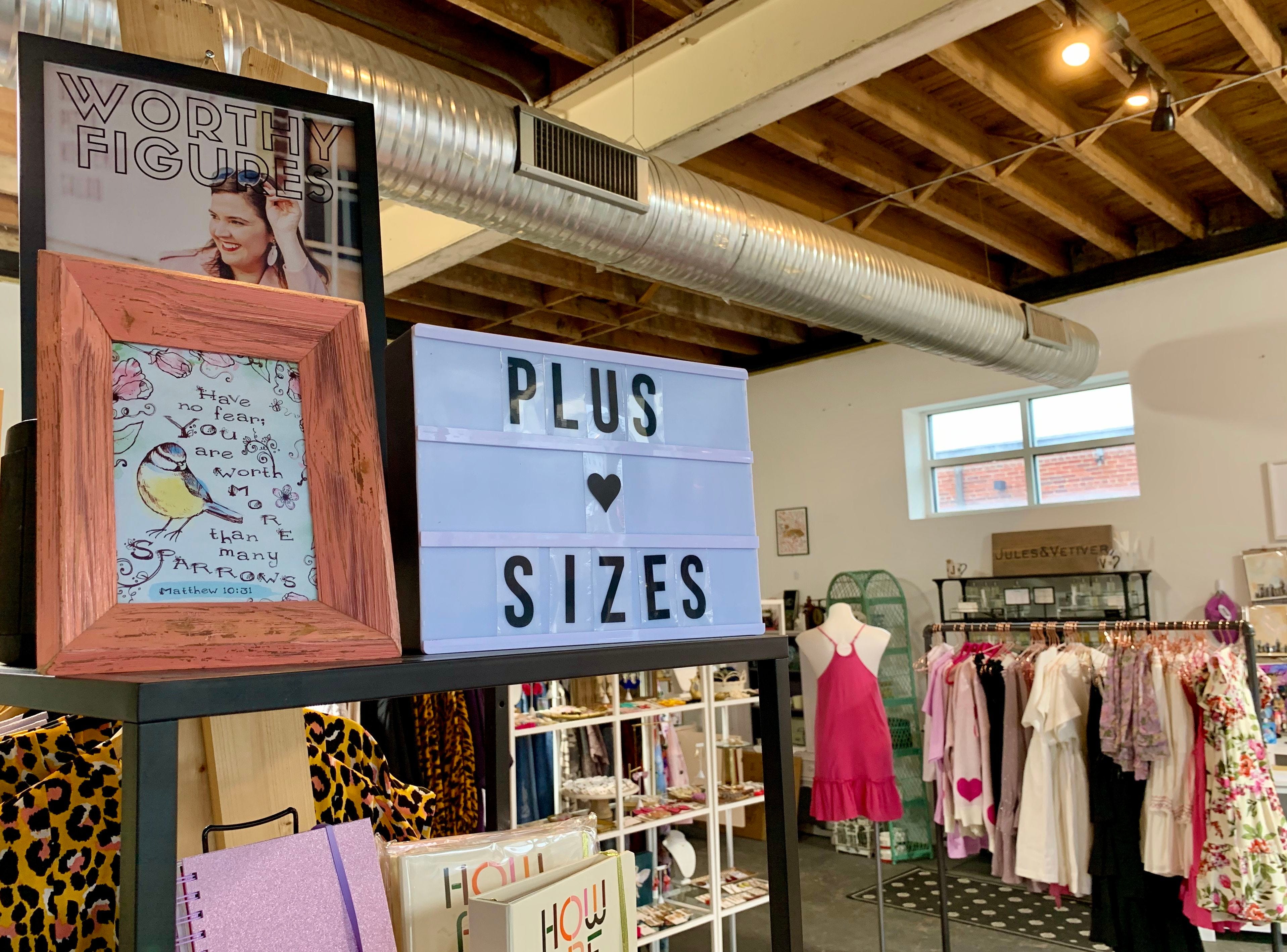
The plus size movement took the world by storm and there is no denying it. Women, primarily black women, of all shapes, sizes and ages came out of the shadows to show and prove that they were worthy of being treated equally to skinny people. Sick of not being able to shop in stores, being stared at in public, and being treated differently, the Body Positivity movement was born out of necessity for those who are bigger than the “average” size, which is the majority of Americans. According to Statista, 67% of women in America are over the size 16, and only 43% of clothing stores sell plus-sized clothes. More and more these days large clothing companies like LOFT, and Old Navy are scaling back or all together erasing their extended sizes from the sales floor.
The erasure of plus size clothing is rapid and has been noticed by many like Alexis Fernandez, a 28-year-old first generation Cuban-American content creator and clothing line designer living in New York City;
“Specifically representing minority women in the mid-size and plus-size/curvy space for fashion, beauty, and lifestyle is my focus,” Alexis explains. Her introduction to the body positivity movement was the Aerie Unretouched campaign. “That was monumental for me because I had never seen someone that looked like me or had the same texture of skin on their body as mine, whether that be stretch marks or any type of markings.”
On her TikTok account, which has amassed over 43k followers, Alexis showcases her life as a mid/plus size creator wearing clothes and entering spaces that are almost always more welcoming to those with skinny bodies like, pilates studios, and exclusive nightclubs in Manhattan.
“My Get Ready with Me video went viral because I was super authentic and realistic with changing outfits and not liking how pants fit me,” she says. “It got over 100,000 views. It gave me courage and confidence, specifically with the comments from women saying they can compare their bodies to mine.”
Alexis took this as a sign to continue her journey as a creator and to try to make a difference in the community by encouraging people to wear whatever they want, and that every body is an acceptable body.
When it comes to clothing stores choosing to get rid of their extended sizing, statements have been made, such as “customer demand and supply chain challenges” (Supply Chain Dive) are among some reasons why extended sizes have been taken off the rack. As a small clothing business owner that is dedicated to plus sizes, and with insight to the manufacturing process, Alexis believes, and research shows, that large companies such as Old Navy, whose parent company is Gap Inc., a company worth $8 billion, obtain both the capital and manufacturing space to continue extended sizes.
After Alexis started gaining momentum on her TikTok, the brand deals followed. That being said, the attention that came to her shed light on the attention her skinnier counterparts were getting. Having over 43k followers gave Alexis the leverage to demand more money when presented with an offer, but she felt because of her size and being a minority, she was ignored.
“The brands just don’t respond,” she explains. “...I see them working with creators with similar engagement or even lower engagement than me, then I definitely have that assumption of it being because of my size or what I represent.”
In the early age of social media, apps like Tumblr. and MySpace were the incubator for blogs dedicated to pro-ana, or pro-anorexia, content. With apps like TikTok, we are seeing another rise of disordered eating influencers.
Because TikTok has a policy that states, “We do not allow showing or promoting disordered eating and dangerous weight loss behaviors, or facilitating the trade or marketing of weight loss or muscle gain products,” content creators have come up with clever ways to get around the possibility of violating this rule. Examples of this are showing their bodies in the mirror before and after they eat when making “what I eat in a day” videos. However, recently, there have been TikTok creators that are much more obvious with their subject matter by blatantly titling their videos “What I eat in a day to stay skinny”. There is no shame. One could argue that Tikok hasn’t done the best job at policing or enforcing their own policies considering these videos are still allowed to be broadcast not only to the public, but to young girls who are easily impressionable. However, the fault does not just lie with TikTok, it lies on the creators too. Two accounts on the platform come to mind when it comes to the conversation of disordered eating habits on social media.
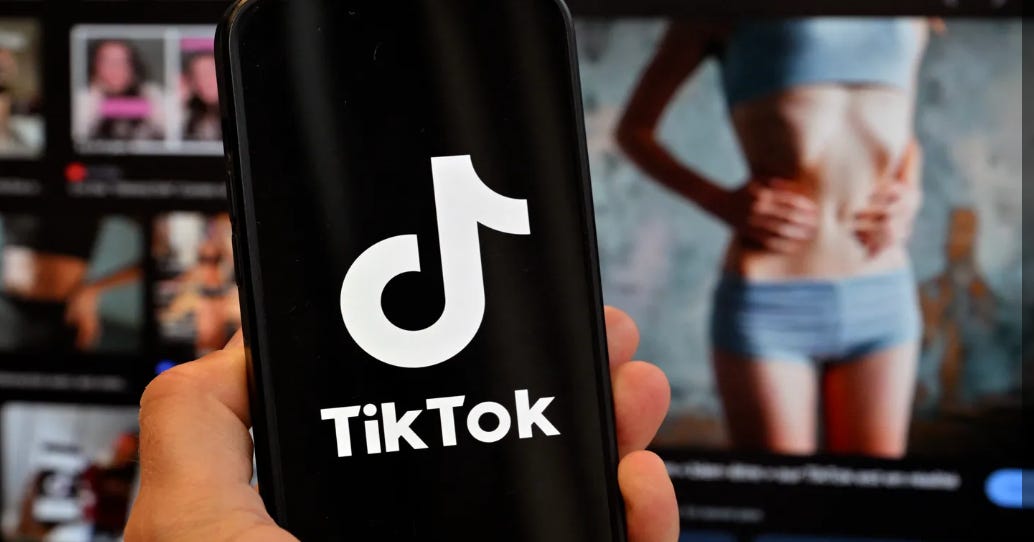
Introducing Liv Schmidt, @livsschmidt on TikTok, and Annika Christy, @kingkrabbypatty on TikTok; both influencers that center their content around being skinny, over exercising, and disordered eating. Both of these creators have recently come under fire for their obvious use of social media to share the harmful ways they keep themselves skinny. In one video, Annika starts by looking into the camera and saying “OINK OINK CHUBBY CHEEKS!” and “...everytime I walk the oinks get quieter… it’s like my fatness is leaving in the past’‘ and “everytime I take a step it’s one small step for mankind and one giant leap towards skinniness.” In another video where a viewer has commented asking how she controls her cravings, Annika responds, “It’s pretty easy, if you just tell yourself ‘Shut up! You’re fat! Don’t eat!’ That’s great.” She then goes on to say that she is kidding and that she likes triggering people on the internet, then brags about the 13 pounds that she has recently lost. In saying this, she has admitted to her agenda of triggering people. Regardless of what she has to say, and who she harms when doing it, she is going to get the attention she wants.
Liv Schmidt takes a different approach to her content. Centered around the life of a corporate NYC girl, she caters her content to fashion, beauty, and what she eats to keep her skinny frame. Though not as aggressive as Annika, Liv discloses the rituals she lives by to stay skinny, some of which include extremely small portions and excessive exercise. Working out for 6 hours at a time, and then eating miniscule amounts of food. Arguably the most disturbing part of these videos are the comments by viewers. Words of encouragement like “Honestly, become a motivational speaker” and “Thank you for your service,” are riddled in the comment section of Annika’s videos where she is openly berating herself and calling herself a pig. When presented with these videos, Alexis asked how they are allowed to stay on TikTok. “I have been fat shamed and when I try to rebut in my comments, TikTok takes my comment down claiming that I am bullying, instead of the person that started bullying me in the first place.” Alexis goes on to talk about the obvious algorithmic bias-when algorithms make decisions that systematically disadvantage certain groups of people (Harvard Business Review)-she and other plus size creators face on social media platforms. “It’s always a white, skinny person, male or female that get away with this sh*t” she exclaims.
In the weeks since some of these videos have been posted, an uprising of creators on TikTok that have come to speak out against both of these creators. Stating that they should not be allowed on the platform and that young and impressionable people, primarily young girls, will be exposed to this harmful behavior and how detrimental it can be for them. According to Exploding Topics, the largest proportion of TikTok users are ages 10-19, making up 25% of users. Regarding eating disorders, a John Hopkins study states “The most common age of onset is between 12-25. Although much more common in females, 10 percent of cases detected are in males.”
Multiple creators that have spoken out are using their voices to get harmful accounts such as these banned from the platform. Though strides have been made when it comes to inclusivity and understanding the dangerous and destructive role social media can play, only time will tell if history is truly repeating itself.
Writer: Simone Caldwell
If you are interested in more Crying Over Spilled Champagne, you can find me on Instagram at simone_nyc or cryingoverspilledchampagne